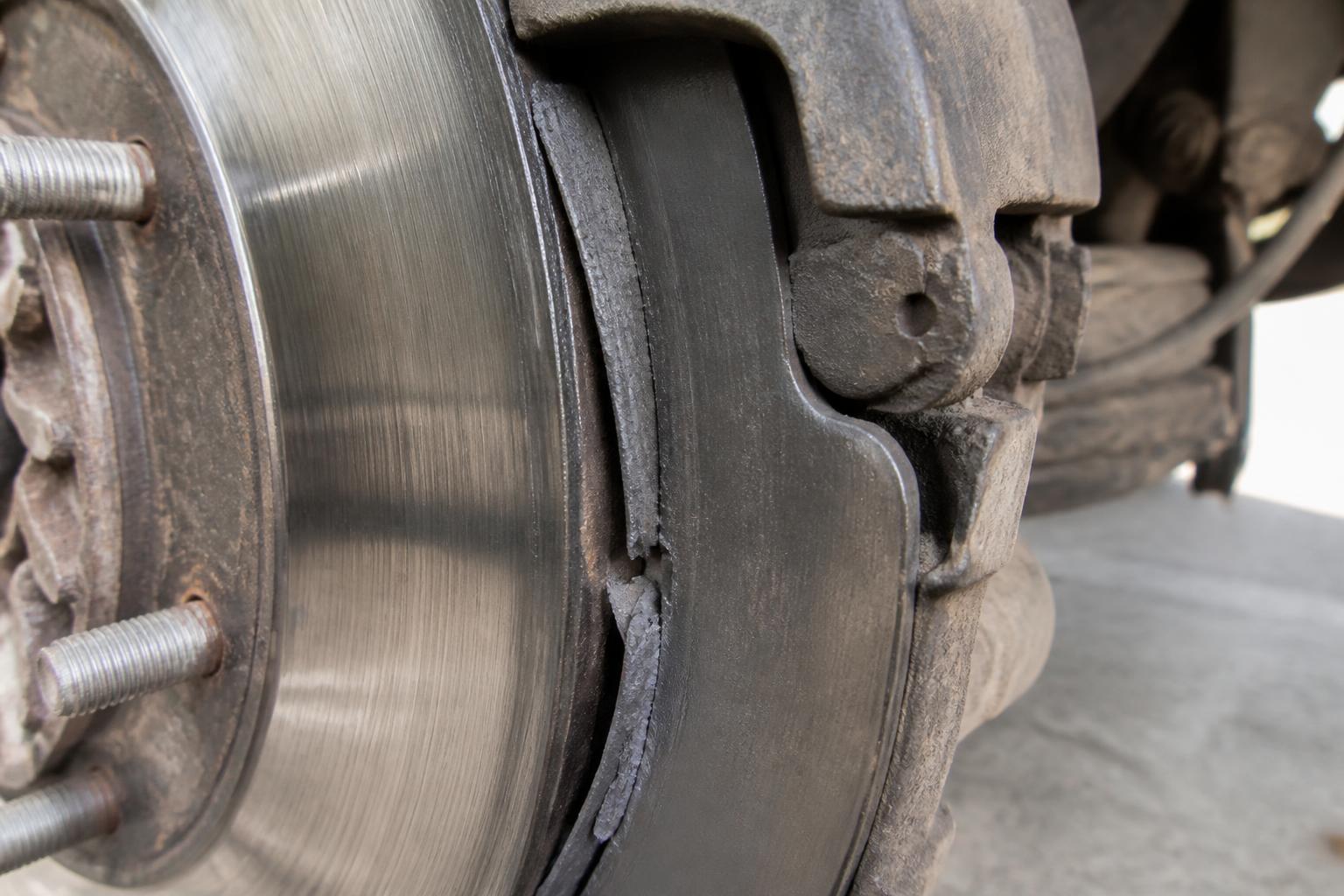
When an HGV fails its MOT, the first jobs to fix are the defects that make it unsafe, untestable, or likely to cause other failures. In practice that usually means brakes, steering, suspension, tyres, wheels, and any critical lights or warning systems that affect roadworthiness. Cosmetic items and minor secondary defects can wait until the core faults are sorted, but anything listed as a major or dangerous defect needs dealing with first.
If you are looking at a fail sheet and wondering what needs fixing first, the quickest route back on the road is not to work down the page in order. It is to triage the defects properly, identify anything linked to braking or control of the vehicle, then plan the repair so you avoid stripping the same area twice, waiting on parts halfway through, or sending the vehicle back for a retest with an unresolved underlying fault. That is how we handle failed MOT work at Woolpit Truck Repairs, just off the A14 at A14 J47, Bridge Farm, Woolpit, Suffolk.
What a failed HGV MOT actually means for your next move
A failed MOT means the vehicle cannot pass annual test standards in its current condition. Your next move depends on what the tester has actually recorded. The fail sheet matters more than the fact of the fail itself.
The first distinction is between defects that stop the vehicle being used safely and defects that are still failures but do not create the same immediate risk. In UK HGV testing, dangerous defects are the highest priority. If a defect is marked dangerous, the vehicle should not be driven away except in tightly limited circumstances, and from a practical operator’s point of view it needs workshop attention before anything else. Major defects also mean a fail and must be repaired before a pass can be issued.
That is why the right first step is to read the defect wording carefully, not just the summary at the top. “Service brake efficiency below requirements”, “steering component excessively worn”, “tyre with exposed cords”, or “spring insecure” all point to different repair paths, even if they sit on the same fail notice.
The second distinction is between root-cause defects and follow-on defects. One fault can create several fail items. A seized caliper may lead to poor brake performance, brake imbalance, overheating, and warning lamp issues. A damaged wheel bearing can show up as wheel movement, brake contamination, and abnormal tyre wear. If you repair only the most obvious symptom, you risk failing again.
The practical answer to “failed HGV MOT, what needs fixing first?” is this. Fix first what affects safe braking, steering control, axle stability, tyre integrity, wheel security, and mandatory lighting. Then deal with the defects that are consequences of those faults, and only after that clear the lower-priority items.
If the fail involves warning systems, especially ABS or EBS faults on truck or trailer, do not guess. The warning lamp is not the fault, it is the message that a circuit, sensor, modulator, exciter ring, supply issue, or communication problem needs proper diagnosis. We often see operators lose time replacing the visible item first and only later tracing the actual defect. If that is the sort of issue you are facing, our guide on what to do after an HGV MOT fail in Suffolk sets out the immediate next steps.
Which defects usually need fixing first
The defects that usually need fixing first fall into a small number of categories, because those are the systems the test is most concerned with from a road safety point of view.
Brakes come first more often than anything else. That includes low brake efficiency, imbalance across an axle, brakes binding, uneven readings, contaminated linings, excessive wear, damaged discs or drums, air leaks, faulty chambers, slack adjuster issues, and problems with load sensing or electronic brake control. On trailers, brake faults often sit alongside ABS or EBS defects, worn components, or seized moving parts. Before a retest, we want to know not just that parts have been replaced, but that the braking performance is actually there. That is where an HGV roller brake test saves wasted trips.
Steering is next on the list because any excessive play, wear, damage, or insecurity can make the vehicle unsafe and can also affect tyre wear and directional stability. Common fail points include worn track rod ends, drag link play, steering box issues, power steering leaks, damaged gaiters where contamination has followed, and mountings that are no longer secure. If the driver has already reported wandering, pulling, or vibration, the MOT fail is often only the point where the defect becomes formal.
Suspension defects also move straight up the queue. Broken leaves, cracked air bags, insecure mountings, worn bushes, leaking dampers where relevant, and axle location problems all affect stability and can influence brake readings. On air-suspended vehicles and trailers, ride height faults can create a chain of other issues, including tyre contact problems and poor brake performance.
Tyres and wheels are immediate-priority items because they are visible, measurable, and directly linked to safety. Damage to sidewalls, exposed cords, tread issues, flat spotting, abnormal shoulder wear, cuts, bulges, loose wheel nuts, cracked rims, or wheel security concerns are not jobs to leave until later. If a tyre has failed because of wear pattern rather than age or puncture damage, we also look for the cause. Alignment, steering wear, suspension movement, and brake drag can all destroy the replacement tyre if you do not fix the source. We cover that in more detail in our article on when a tubeless truck tyre needs replacing fast.
Critical lights also need sorting early, especially where the defect affects stop lamps, indicators, headlamps, marker lamps required for the vehicle type, conspicuity, or warning lamp functions that indicate a system fault. A simple bulb failure is one thing. Corrosion in lamp units, damaged wiring, poor earths, trailer socket faults, or repeated lamp failures usually mean there is more to trace.
After those come structural and underbody issues such as serious corrosion, insecure body or chassis components, and anything that affects mountings, braking hardware, steering attachment points, or suspension pick-up points. These may not always be the first item listed on the fail sheet, but they can become the deciding factor in whether a quick pass is realistic.
How to prioritise when the fail sheet lists several problems
When the fail sheet is long, the best method is to rank defects in five passes.
First, rank by road safety. Anything that affects stopping, steering, wheel retention, tyre integrity, axle security, or visibility goes to the top. Dangerous defects are first. Major defects in these systems come next.
Second, rank by likely linked faults. This is where workshop experience matters. If the offside drive axle brake is low, the nearside may also be worn or contaminated. If one air bag is split, the ride height valve and neighbouring components need checking. If there is an ABS warning, the issue may sit in the wheel speed sensor, bearing condition, wiring, ECU supply, or trailer connection. We would rather inspect the full circuit once than patch one item and bring the vehicle back in again.
Third, rank by repair access. If the hub is coming apart for one fault, it makes sense to inspect and replace related service items while access is open. The same applies to brake strip and rebuild work, steering linkage jobs, and suspension repairs. A planned repair sequence reduces labour duplication and usually gets the vehicle back out faster.
Fourth, rank by parts lead time. Some defects can be repaired same day if stock is available. Others depend on specific chambers, valves, sensors, lamp units, calipers, suspension parts, or trailer components. If one item is likely to hold the whole job up, identify it early and get the parts process moving while the rest of the inspection continues.
Fifth, rank by retest efficiency. The aim is not just to clear the first fail point. It is to present the vehicle for retest with the known defects resolved and the likely related issues already checked. Sending a truck or trailer back with one repaired brake but an unresolved warning lamp, tyre defect, or wheel security issue wastes test time, workshop time, and operator time.
For fleets, this prioritisation should also take account of vehicle role. A truck working port traffic to Felixstowe, route work through Ipswich, or regular trunking past Stowmarket, Bury St Edmunds, Newmarket, and Elmswell may have different downtime pressure from a spare unit, but the order of safety-critical repairs does not change. The only sensible commercial shortcut is better planning, not lower standards.
If the fail includes electronics, the quickest answer is often diagnosis before parts. We regularly see ABS and EBS faults where the first replaced component was not the failed component. Our article on truck and trailer faults and who should diagnose what explains why that matters.
What can be repaired together to save downtime
A failed MOT often creates an opportunity to combine work sensibly instead of booking the same vehicle off the road multiple times.
The obvious combination is MOT preparation, repair, and confirmation testing. If the fail is brake-related, we can inspect the system, carry out the repair, and then run a roller brake test before the retest booking. That is much better than replacing parts and hoping the readings will now be within standard.
Brake jobs also often pair naturally with wheel-end work. If a wheel is off for tyre replacement and there is a brake concern, hub movement, or heat history, it makes sense to inspect discs, drums, bearings, wheel studs, and related components at the same time. The same logic applies to trailers where brake imbalance, ABS warnings, and tyre wear are often connected through one axle line.
Steering and tyre work are another common pairing. If a truck has failed on steering wear and the tyres show edge wear or scrub, replacing the tyre without resolving the steering fault is false economy. Sort the steering components, inspect for suspension contribution, then fit tyres as needed once the vehicle is mechanically right.
Electrical defects can also be grouped. Rather than chasing one failed lamp at a time, we prefer to inspect the affected circuit, connectors, socket condition, earth paths, and trailer interface where relevant. That is especially useful where moisture ingress, chafing, or previous repairs have left the wiring vulnerable.
For operators managing several units, combining annual test preparation with routine fleet maintenance can also reduce repeat downtime. A vehicle that has failed MOT standard often has service or inspection items due anyway, particularly if defects have built up over time. Folding those jobs together can be the most efficient route back into service.
At Woolpit Truck Repairs, we focus on HGV and trailer work only, so the triage is practical rather than generic. Being at Bridge Farm, close to A14 J47, means operators moving across Suffolk or between Felixstowe, Ipswich, Stowmarket, Bury St Edmunds and Newmarket can get a realistic next-step plan without dragging the process out. FLEETA LIMITED is the registered company behind the workshop, but on the floor the job is straightforward, identify what actually caused the fail, repair in the right order, and prove the vehicle is ready for retest.
When to stop chasing the retest and reassess the vehicle
Sometimes the right answer is not another quick repair for the sake of getting a pass certificate.
If the same vehicle is coming back with repeated MOT defects in the same systems, that usually points to a broader maintenance problem. Recurrent brake imbalance, chronic tyre wear, repeated lamp and wiring faults, or ongoing suspension issues often mean the vehicle needs a deeper inspection plan, not another single-item fix.
Corrosion is another point where a retest-only mindset can become expensive. Surface corrosion is one thing. Structural corrosion around mounting points, brake components, crossmembers, body supports, spring hangers, or chassis areas is different. Once multiple structural repairs are needed, the sensible question is whether the truck or trailer should go through a wider programme of work rather than piecemeal fixes around each MOT date.
Age and parts condition matter too. On older units, one fail may expose several components close to end of life. If you replace only the item that has crossed the line today, you may be back off the road next week for the neighbouring part. In those cases we would usually advise stepping back, costing the vehicle properly, and deciding whether to do a broader repair package.
The same applies where diagnostics point to a system-wide issue rather than a single failed part. Repeated ABS or EBS faults, air management problems, loom deterioration, or multiple axle defects can all absorb time if treated as isolated incidents. This is particularly relevant for trailers that spend long periods in hard service with defects only addressed when they become obvious.
A broader reassessment is also sensible when downtime itself is becoming the main cost. If the vehicle is repeatedly missing work because it is in and out for defects, the cheapest repair invoice may not be the cheapest operating decision. One planned intervention is often better than three unplanned ones.
That is usually the point where owner-drivers and fleet operators need plain advice, not optimism. If a truck or trailer is worth repairing, we will set out the order of work and what else should be inspected while it is in. If the fail has exposed a bigger condition issue, we will say so clearly.
The aim after a failed MOT is not just to scrape through the retest. It is to get the HGV or trailer back into service safely, with the main risk points actually resolved. If you need practical triage after a fail in Woolpit, Suffolk, or along the A14 corridor, we can work through the defect list, identify what needs fixing first, and plan the repair around the vehicle’s real use, not just the wording on the sheet.
Can I drive an HGV after it has failed MOT?
That depends on the defects and whether the vehicle is roadworthy. If the fail includes safety-critical issues, it should not be used until repaired. A workshop inspection is the safest way to confirm the next step.
Are brake defects usually the first thing to fix after a fail?
In many cases, yes. Brake imbalance, poor efficiency, warning lights, ABS or EBS faults and related wear items are often top priority because they affect safety, test results and whether other checks can be completed properly.
Should I fix every advisory at the same time?
Not always. Some advisories can wait, but others are close to becoming failures or are linked to the failed item. The practical approach is to repair anything that will soon cause downtime or duplicate labour.
What if the fail sheet shows defects on both the unit and trailer?
Treat them separately but plan them together. A trailer brake, tyre or lighting issue can still block use even if the unit is ready. Coordinated inspection helps avoid one repaired vehicle waiting on the other.
How can I reduce the chance of failing the retest?
Use a workshop that checks the failed items and the related systems around them. For example, a brake repair should be backed up by proper testing, not just parts replacement, so the root cause is dealt with.