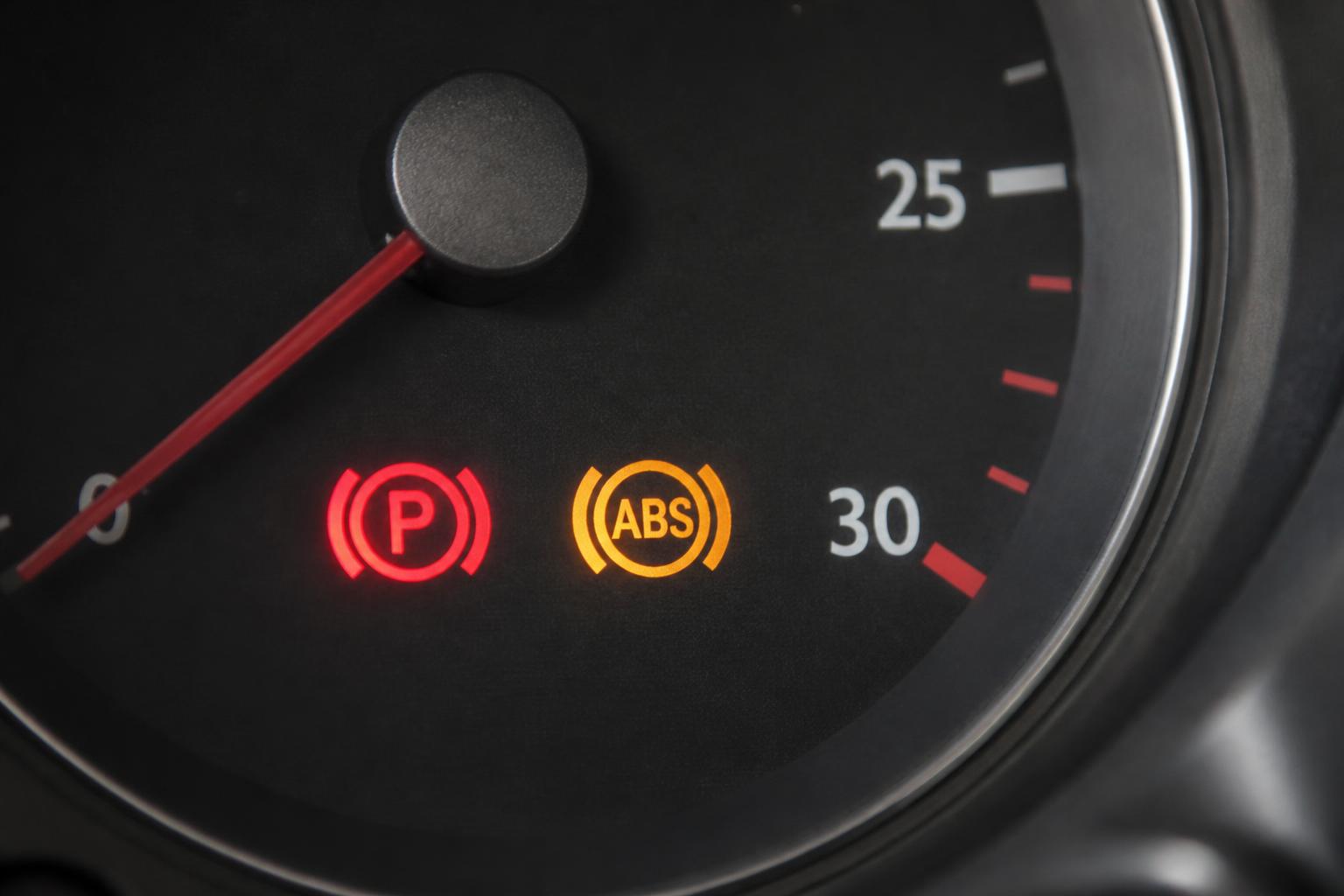
A warning light on an HGV or trailer is not a diagnosis on its own. It is a prompt to make the right next decision, quickly enough to protect safety, the load, the booking, and the vehicle’s test and maintenance position. Some lights mean finish the journey with caution and book the vehicle in. Others mean stop as soon as it is safe, because continuing risks brake loss, wheel end damage, an air loss event, or a roadside prohibition.
Good warning light checks cut downtime because they stop guesswork. We see it every week at Woolpit Truck Repairs, vehicles arriving from Woolpit, Stowmarket, Bury St Edmunds, Ipswich, Newmarket, Felixstowe and the A14 corridor with a lamp on, but the real issue sitting behind it is not what the driver first assumed. Practical HGV warning light diagnostics start with triage, not parts changing.
What a warning light really tells you, explain the difference between advisory, urgent and stop-now warning lights on HGVs and trailers, and what operators should decide first
The first job is to sort the warning into one of three groups.
Advisory lights are faults that do not usually mean immediate loss of control or braking performance, but still need attention. A trailer ABS lamp that stays on after moving off can fall into this category if braking performance feels normal and there are no other brake warnings. A bulb failure, a sensor plausibility fault, or an intermittent voltage issue may trigger it. The vehicle may still complete a short planned run, but it should be booked for checks before the fault develops or affects MOT preparation.
Urgent lights are faults where the vehicle may still move, but only after a proper risk decision. Examples include an EBS warning with no obvious brake imbalance, repeated low air pressure warnings that recover slowly, or a charging system light combined with multiple electrical symptoms. These are the faults where operators need to ask three questions first. Is it safe to continue to a workshop? Is the route suitable, particularly on the A14? And does the defect risk turning into a roadside breakdown or prohibition if the vehicle carries on?
Stop-now warnings are the ones where the right answer is usually to stop as soon as it is safe and secure the vehicle. Critically low air pressure, a red brake system warning, severe overheating, oil pressure loss, or a warning combined with clear brake pull, dragging brakes, smoke, or a wheel end getting hot, all move out of the “monitor it” category. With HGVs and trailers, a warning light is only part of the picture. The driver report matters just as much. If the lamp is on and the vehicle is also behaving differently, we treat the behaviour as the more serious sign.
What should operators decide first? Not what part to replace. First decide whether the vehicle is safe to move at all. Then decide whether the fault is tractor unit, trailer, or interface related. Then decide whether you need roadside support, a booked workshop slot, or recovery. That sequence avoids a lot of wasted time.
Driver checks versus workshop diagnostics, compare what can be checked safely by a driver or operator at the roadside with what needs diagnostic equipment and workshop inspection
There are useful checks a driver can do safely at the roadside or in the yard, and there are checks that belong in the workshop with proper equipment.
Safe driver or operator checks usually include the basics:
- Confirm exactly which light is on, its colour, and whether it stays on, flashes, or clears after moving off.
- Note whether the fault appeared at start-up, during braking, after coupling a trailer, or after hitting standing water or rough road.
- Check air pressure build-up on the gauges and whether the warning buzzer or lamp clears in the normal time.
- Listen for obvious air leaks around suzies, trailer lines, tanks, valves, and brake chambers.
- Inspect electrical suzies and trailer plugs for poor seating, corrosion, broken pins, stretched cables, or damage.
- Check for visible tyre damage, a hot wheel, smoke, or a brake that appears to be binding.
- Walk around the trailer and look for damaged sensor wiring near axles, hanging cables, or impact damage.
- If the fault is trailer-related, swap trailers if the operation allows and see whether the warning stays with the unit or follows the trailer.
Those checks are useful because they narrow the fault path. If the warning only appears with one trailer, the trailer becomes the first suspect. If multiple trailers trigger the same issue on one unit, the unit or the electrical and air interface needs attention.
What drivers should not do is just as important. They should not dismantle brake components at the roadside, interfere with wheel speed sensors, release or adjust brakes without the right procedure, or keep resetting ignition cycles in the hope a serious fault disappears. A lamp clearing after a restart does not prove the defect has gone.
Workshop diagnostics start where visual checks stop. Proper HGV warning light diagnostics often need a diagnostic tool that can communicate with the vehicle ECU or trailer ECU, read active and stored fault codes, and show live data. That matters because one dashboard lamp can sit over several possible causes. An ABS warning may be a sensor air gap, a damaged tone ring, low supply voltage, internal modulator fault, or poor trailer feed. Without code reading and testing, replacing parts becomes expensive guessing.
Workshop inspection also covers what roadside checks cannot confirm properly. That includes power and ground testing under load, continuity checks through damaged wiring, air system leak-down, modulator operation, sensor signal quality, and brake performance on a roller brake tester. If a warning light is brake-related, roller brake testing for measured brake performance often tells us more than a visual inspection alone.
ABS, EBS and brake-related faults compared, set out how brake system warning lights differ from each other, what faults commonly sit behind them, and why they matter for safety and MOT preparation
Operators often group all brake lamps together, but ABS, EBS and general brake warnings do not mean the same thing.
An ABS warning usually points to the anti-lock function, not necessarily full loss of service braking. On a unit or trailer, common causes include wheel speed sensor faults, damaged exciter rings, wiring breaks near the axle, corrosion in connectors, low voltage at start-up, or internal modulator problems. The vehicle may still have normal foundation braking, but reduced anti-lock control in poor grip conditions. That matters for safety in wet weather, on roundabouts, and under heavy braking. It also matters for MOT, because warning lamps, stored faults, and system function are all relevant during test preparation.
An EBS warning is broader. EBS controls and balances braking electronically and can affect response, distribution, and system management. An EBS fault may still leave fallback braking available, but it can also point to issues that affect brake demand interpretation, axle load sensing, modulator performance, or communication between systems. Common causes include pressure sensor faults, modulator defects, wiring and CAN communication issues, poor voltage, and trailer interface faults. If an EBS lamp comes on with brake imbalance, delayed release, or unusual pedal feel, that is a higher-risk situation than an ABS lamp on its own.
A red brake warning, low air warning, or parking brake related warning is different again. Those usually indicate faults with direct safety implications. Low reservoir pressure, compressor or governor issues, air leaks, valve faults, brake chamber defects, or a problem in the parking brake circuit can all sit behind them. These are the warnings that can escalate quickly from “it drove in” to “it needs recovery”.
Trailers add another layer. A trailer ABS or EBS lamp can be triggered by the trailer’s own sensor and modulator faults, but also by poor supply from the unit, damaged suzies, bad earths, or coupling issues. That is why we compare unit and trailer together rather than treating them as separate worlds.
For MOT preparation in the UK, warning lights are not a cosmetic issue. A lamp on the dash can point to a defect that will fail the test or expose a deeper problem during inspection or brake performance testing. UK test practice and defect categorisation do not always read exactly the same as general EU guidance or manufacturer literature, so the practical answer is to prepare to UK MOT standards and current DVSA expectations. We regularly see vehicles where clearing the obvious lamp is only half the job, the underlying brake imbalance or air defect still needs correcting before presentation. If that is where you are, our HGV and trailer MOT preparation support and inspection work for units and trailers are designed to catch the defects that create repeat downtime.
Electrical, air and sensor faults that trigger lights, compare common non-brake causes such as voltage issues, damaged wiring, sensor failures and air system defects, including how symptoms overlap
Not every warning lamp starts with a failed major component. Many begin with supply, wiring, or signal quality.
Voltage problems are common and often misleading. A weak battery, charging fault, poor earth, corroded connection, or voltage drop on start-up can trigger ABS, EBS, suspension, steering, and body-related warnings together. Drivers may report “all the lights came on at once” or a fault that appears first thing in the morning and clears later. That pattern often points to supply quality before it points to multiple separate component failures.
Damaged wiring is another regular cause, especially on trailers and at exposed axle locations. Sensor leads chafe. Looms get stretched. Connectors fill with water or road dirt. Repairs done previously with poor sealing create intermittent faults that only show up in wet weather or when the suspension moves. The symptom may be an ABS lamp one day and an EBS lamp the next, because the same damaged section affects different signals under different conditions.
Sensor faults are not limited to wheel speed sensors. Pressure sensors, ride height sensors, wear sensors, temperature sensors, and position sensors can all trigger warnings. The challenge is that the driver often feels little change at first. A warning lamp with no obvious drivability issue is still worth checking promptly, because sensor plausibility faults can become full system faults if the signal drops out completely.
Air system defects overlap with electrical symptoms more than many operators expect. Slow pressure build-up, a sticking valve, moisture contamination, leaks at couplings, or a weak compressor can trigger brake and chassis warnings that look electronic at first glance. Equally, an electrically controlled air valve or modulator fault may present as an air issue. That is why proper fault finding moves between electrical and pneumatic checks rather than assuming one side must be right.
The overlap matters on the road. A trailer with a damaged ABS cable may show a warning lamp and otherwise feel normal. A unit with low voltage may throw several warnings but still drive. A vehicle with a genuine air supply problem may also clear its lamp temporarily after pressure recovers, only to drop it again in traffic. Looking only at the lamp, without the symptoms and route plan, is where unnecessary downtime starts.
Choosing the next step to avoid unnecessary downtime, help fleets and owner-drivers decide between monitoring, booking diagnostics, arranging repairs or asking for callout or recovery support enquiries based on risk and route plans around Woolpit, Suffolk and the A14
The best next step depends on risk, not irritation. Some faults are inconvenient but manageable for a short period. Others need same-day workshop attention or roadside support.
Monitoring can be reasonable where the warning is advisory, the vehicle is driving normally, daily checks show no worsening condition, and the route is short and controlled. For example, an intermittent trailer ABS lamp with no other brake symptoms, no air loss, and a known workshop slot booked may be monitored carefully to complete a local movement. The key is that “monitoring” still means recording the defect, checking whether it repeats, and making sure the vehicle is not heading into a long or time-critical run before inspection.
Book diagnostics when the vehicle is safe to move but the fault is not clear, repeated, or likely to affect compliance, brake performance, or MOT preparation. If a unit or trailer is running routes between Felixstowe, Ipswich, Stowmarket, Bury St Edmunds and Newmarket, a planned stop near A14 J47 often makes more sense than risking a breakdown later in the day. From Bridge Farm in Woolpit, we are well placed for operators using the A14 corridor and local Suffolk routes. If you need fault tracing rather than guesswork, our diagnostic checks for HGV and trailer warning lights are built around practical triage and clear next-step advice.
Arrange repairs without delay when the fault has been identified and continued use risks bigger downtime. A damaged ABS sensor lead, leaking air fitting, poor trailer electrical connection, or brake imbalance is often cheaper to deal with before it causes a roadside stop, tyre damage, overheated brake, or failed test slot.
Ask for callout support when the vehicle is not safely reaching the workshop under its own steam, but the issue may be resolved on site. Typical examples are obvious air leaks, electrical suzie defects, warning lights linked to coupling faults, or a fault that needs a technician’s assessment before deciding whether to move. In those cases, our commercial vehicle callout support enquiries can be the right first move.
Recovery is the right answer when safety is in doubt, the vehicle has a stop-now brake or air warning, there is severe drivability change, or the location and load make roadside work unrealistic. A red warning plus poor braking, major air loss, smoke, or a locked or overheating wheel end is not a “see if it gets better” situation.
For fleets, the commercial question is usually whether to divert, swap, or stand the vehicle down. For owner-drivers, it is often whether to risk losing the day or risk losing more than the day. Our advice is simple. If the lamp is on and the vehicle is behaving differently, treat it as urgent. If the lamp is on but behaviour is normal, use that time to get the fault identified before it becomes urgent.
At Woolpit Truck Repairs, part of FLEETA LIMITED, we deal only with HGVs and trailers, so the discussion stays practical. What light is on. What changed. Is it unit, trailer, or both. Can it move safely to Woolpit. Does it need brake testing, inspection, repair, callout, or recovery. That approach saves time because it gets to the next correct action quickly, whether you are based in Elmswell, heading past A14 J47, or running in from Felixstowe or Ipswich.
Can I keep driving with an HGV warning light on?
It depends on the light, the symptoms and the vehicle’s braking or handling. Some faults allow careful movement to a workshop; others mean stop and assess immediately. If the defect affects braking, stability or air pressure, treat it as urgent.
Will a code reader tell me exactly what is wrong?
Not always. A fault code points to the affected system or circuit, but it does not always prove the failed part. Proper diagnosis usually combines code reading with wiring, sensor, air and mechanical checks.
Are trailer warning light faults different from unit faults?
Yes. Trailer ABS or EBS faults can come from the trailer itself, the electrical connection, power supply or communication between unit and trailer. The same dashboard warning can have different causes depending on the combination.
Can an ABS or EBS light cause an MOT problem?
Yes. Brake-related warning lights and underlying defects can affect MOT preparation and test outcome. Even if the vehicle still moves normally, the fault should be checked before test day.
What should a driver note before calling a workshop?
Record which light came on, when it appeared, any buzzer or message, whether it is unit or trailer related, and any change in braking, air build-up, steering or power. That helps speed up triage.